Preparing Raised Beds for Spring Planting
A step-by-step spring routine for raised beds: test whether the soil is workable, clear the winter cover, check the frame, loosen, top up with compost, and time planting by frost dates and soil temperature.
At a glance
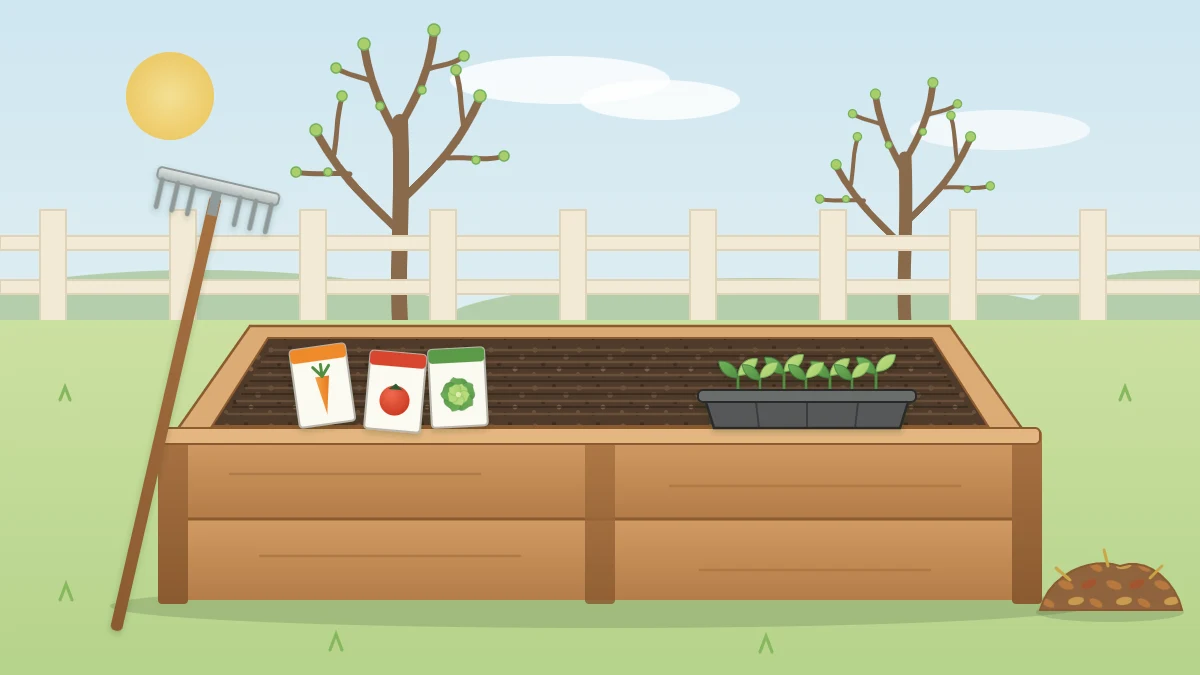
What you need
- Garden fork
- Rake
- Finished compost
- Hand trowel or weeder
- Soil thermometer (optional)
- Clear or dark plastic sheet (optional)
Preparing raised beds for spring is mostly a matter of timing. The work itself is light: clear, loosen, top up, level. Doing it on the right day matters more than doing it early.
Raised beds drain and warm sooner than ground-level soil, so they are often ready before the rest of the garden. Often is not always, so start with a test instead of a date.
Wait until the soil is workable
Take a handful of soil from a few inches down and squeeze it. If it holds together in a wet, shiny ball, or water runs out, the bed is too wet. If it forms a loose lump that crumbles when you poke it, you can begin.
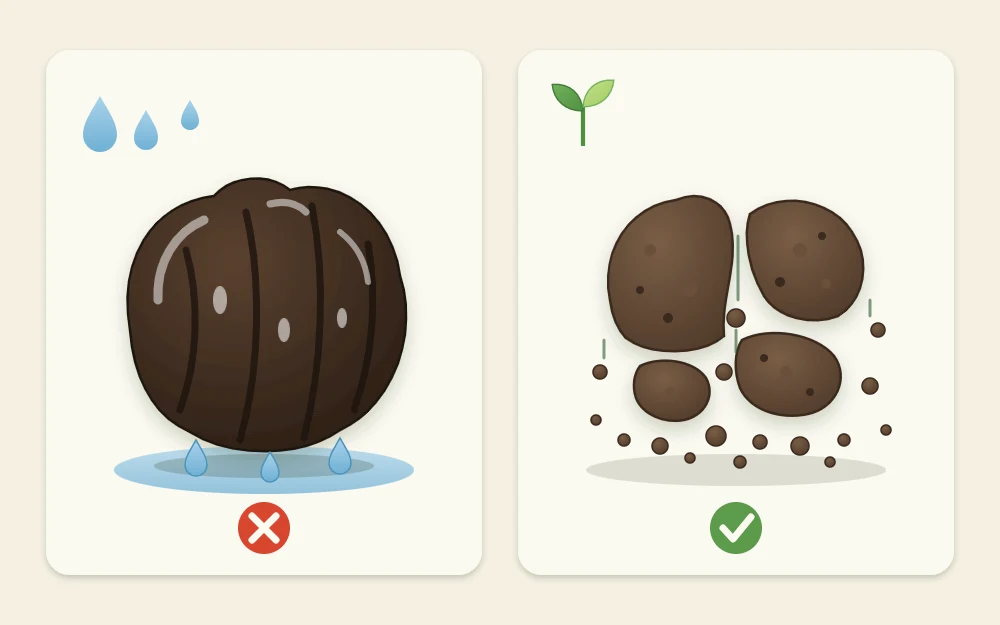
The test matters because wet soil smears and packs when it is forked or raked. The clods that form can last all season, and the looseness that makes a raised bed worth having is lost. A few dry, breezy days usually change the result.
Get the bed ready, step by step
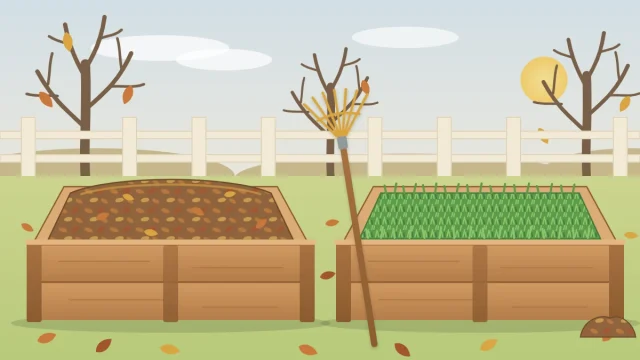
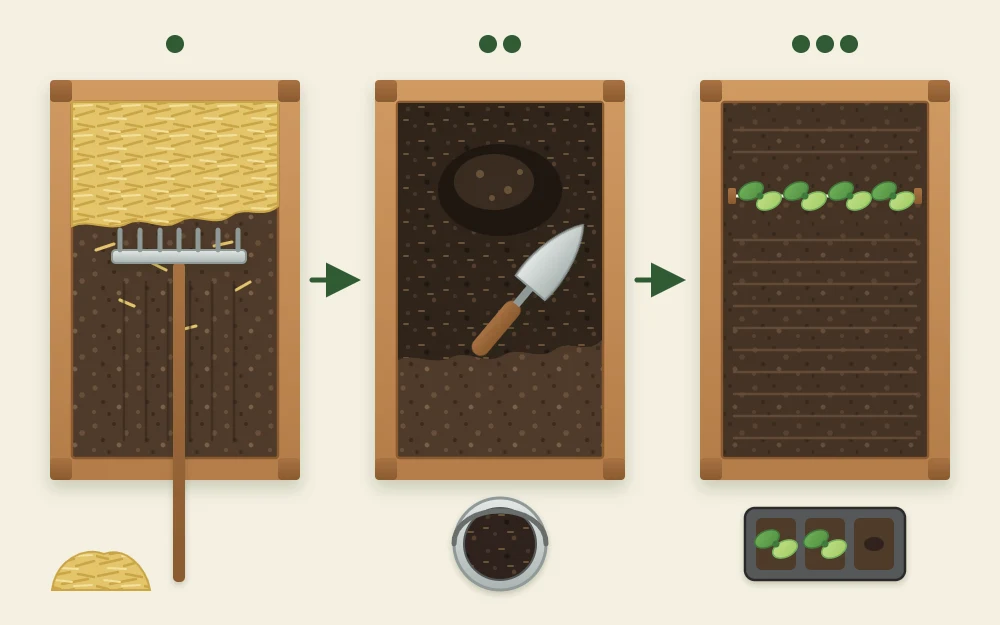
- Remove the winter cover. Rake mulch off the areas you will sow first and pile it nearby; it can go back around the plants later. If you grew a cover crop, cut it down before it sets seed and give the residue time to break down before sowing small seeds.
- Clear debris and early weeds. Take out old stems, fallen leaves and any weeds, roots included. Weeds are far easier to pull now than once crops are in the way.
- Look over the frame. Check for loose boards, corners pulling apart, rot and sides that bow outward. Tighten or replace loose parts as the kit maker’s instructions describe. If a tall bed is leaning or bulging, get qualified help instead of improvising, because wet soil is very heavy.
- Loosen the top few inches. Push a garden fork in and rock it back without turning the whole bed over. The aim is to open the surface, not to dig.
- Top up with compost. The soil level drops each year as organic matter decomposes. Spread finished compost and work it into the loosened surface. The guide to refreshing raised bed soil covers how much, and what to do when the level has dropped a long way.
- Rake level. Break up lumps and leave a fine, even surface, especially where seed will be sown.
- Check hoses and drip lines. Lay them out, run water through and look for leaks and blocked emitters while the bed is still empty.
A bed that has sunk well below the rim may need more than compost. In that case, top up with a blend like the one you first used; the raised bed soil mix guide compares the published recipes.
Let the bed settle and warm
Freshly loosened and topped-up soil is fluffy. Give it several days to settle, and water it lightly if no rain comes, so that seed is not sown into soil that will sink beneath it.
Soil temperature matters as much as air temperature. Seed packets usually give a minimum soil temperature for germination, and an inexpensive soil thermometer pushed a few inches in tells you where the bed stands. To speed things up, cover the bed with a sheet of clear or dark plastic for a week or two before planting and take it off when you sow.
Plant by frost dates, not by the calendar
Two things decide when a crop can go in: the last frost date for your area and how warm the soil is. Neither falls on the same day in two different places, so a planting month that suits one region is wrong for the next.
- Cool-season crops first. Peas, lettuce, spinach, radishes and kale germinate in cool soil and tolerate light frost.
- Warm-season crops later. Tomatoes, peppers, beans, cucumbers, squash and basil go in after the last frost date for your area, once the soil has warmed.
Your local extension service publishes a planting calendar with these dates. The University of Maryland Extension’s vegetable planting calendar is an example of what one looks like. It is written for Maryland, so look for the equivalent where you live.
Good to know
A last frost date is an average drawn from past years, not a promise. Frost can come later. Keep a row cover or old sheets within reach for the first weeks after tender plants go out.
Before planting, look up the room each crop needs. It differs from crop to crop and between varieties, and the guide to raised bed plant spacing shows how to read the packet and tag.
Harden off transplants
Seedlings raised indoors or bought from a greenhouse have never felt wind, full sun or cold nights. Set straight into a bed, they often stall or scorch.
Harden them off over a week or more. Start with a few hours outside in a sheltered, lightly shaded spot, then lengthen the time and increase the sun a little each day. Bring them in if frost threatens. Plant on a mild, overcast day if you can, and water them in well.
A soil test now and then
You do not need a soil test every spring. Every few years, or when plants have grown poorly for no obvious reason, it is worth sending a sample to a lab. The University of Maryland Extension’s page on soil testing explains how sampling works.
The report shows pH and nutrient levels and says what, if anything, to add. Apply fertilizer or lime only as the test and the product label call for. Compost alone is often enough, and adding more than the soil needs can cause problems of its own.
A short checklist before you plant
- The soil crumbles in your hand.
- Winter cover, debris and weeds are cleared.
- The frame is sound.
- The surface is loosened, topped up and raked level.
- Watering lines work.
- You know your last frost date and have checked the soil temperature.
- Transplants are hardened off.
With those done, the bed is ready, and the cool-season crops can go in first.
Frequently asked questions
When should I start getting raised beds ready in spring?
Start when the soil is workable, not on a set date. Squeeze a handful taken from a few inches down: if it crumbles, begin; if it stays in a wet ball, wait. Raised beds often reach that point earlier than ground-level soil because they drain and warm faster, but it varies by climate and year.
Do I need to dig over a raised bed every spring?
No. Soil that is never walked on stays loose, so deep digging is unnecessary and disturbs soil structure. Loosening the top few inches with a fork, working in compost and raking level is enough for most beds. Save deeper work for a bed that has become compacted or is being rebuilt.
Should I replace the soil in a raised bed each year?
Replacing it is rarely needed. The level drops as organic matter decomposes, and topping up with compost, or a compost and topsoil blend after a big drop, restores it. Full replacement is worth considering only for contamination or a persistent soil-borne disease, and the local extension office can advise on that.