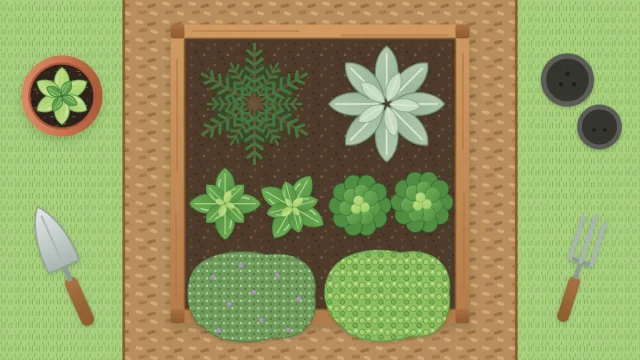
Best Herbs for Raised Beds: What Grows Well Together
Ten kitchen herbs grouped by what they need, so you can see which ones share a raised bed comfortably, which want a drier spot, and why mint belongs in a pot of its own.

Herbs are often sold side by side on one rack, which makes it easy to assume they all want the same treatment. They do not. Rosemary and basil, planted next to each other and cared for identically, rarely both thrive.
The useful way to choose herbs for raised beds is to group them by what they need: how much sun, how much moisture, how rich a soil, and whether they stay put. Once you see the groups, deciding what grows well together becomes straightforward.
Why herbs do well in a raised bed
Most culinary herbs dislike sitting in wet soil, and a raised bed drains more freely than flat ground. The soil also warms sooner in spring, which helps heat lovers such as basil. And a bed near the kitchen door is easy to reach, so you actually cut what you grow.
Herbs are not fussy about soil chemistry. The University of Maryland Extension’s guide to raised beds gives a pH of 6.2 to 6.8 as suiting most vegetables and herbs, so a bed prepared for vegetables is a fair starting point. Where the groups differ is in moisture and richness.
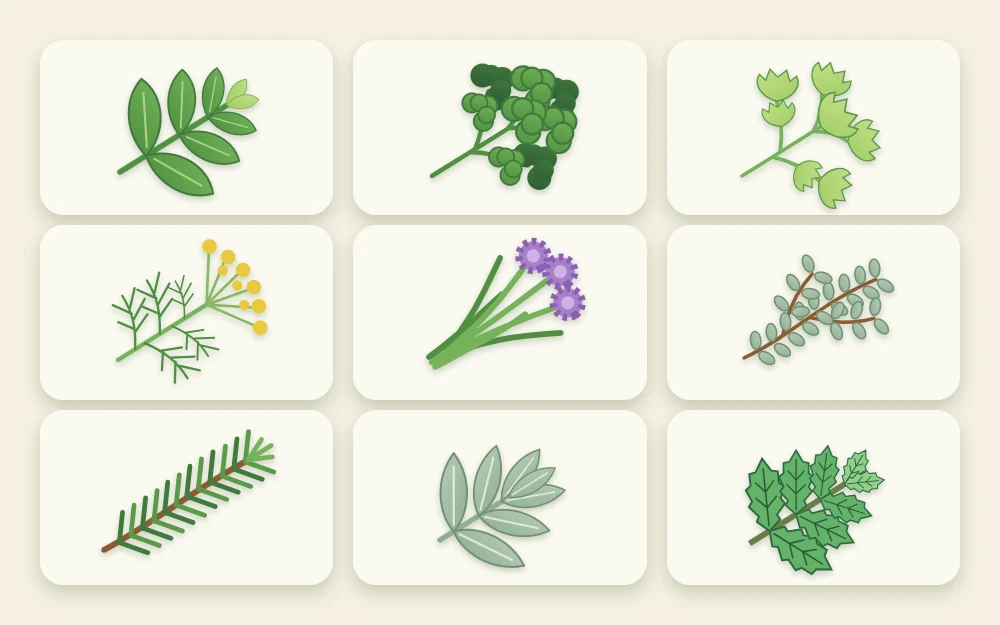
Mediterranean perennials: sun and sharp drainage
Rosemary, thyme, sage and oregano come from dry, sunny hillsides. Their small, tough or gray-green leaves are built to lose little water. In a bed they want:
- Full sun. These are the herbs to give your brightest spot.
- Lean soil that drains fast. Rich, constantly moist soil commonly produces soft, floppy growth, and wet roots in winter are a frequent cause of losses.
- Drier conditions once established. Let the soil dry somewhat between waterings; new plants still need regular checking until they root in.
They are perennials, but how well they come through winter varies by herb and by climate. Thyme, sage and oregano are hardy in many regions, while rosemary is more tender and is grown as an annual or moved indoors where winters are cold. Look up your zone on the USDA Plant Hardiness Zone Map and compare it with the zone range on the plant tag.
Leafy annuals and biennials: richer, moister soil
Basil, parsley, cilantro and dill are grown for soft leaves, and soft leaves need a steadier supply of water and nutrients. Soil with a good share of compost, kept evenly moist, suits this group.
- Basil is a tender warm-season annual. Cold nights stall it, so it goes out after frost danger has passed. The guide to growing basil in raised beds covers pinching and harvest.
- Parsley is a biennial usually grown as an annual. It is slow from seed, tolerates cool weather and accepts some shade.
- Cilantro is a cool-season annual that bolts, meaning it runs to flower and seed, when days turn hot and long. Sow it in small batches in the cooler parts of the season.
- Dill is a tall, feathery annual that also bolts in heat. It has a taproot and is usually direct sown.
Chives: an easy perennial clump
Chives sit between the two groups. They are hardy perennials that form a tidy clump, come back early in spring and tolerate ordinary bed soil with moderate moisture. They manage in full sun or light shade.
Cut leaves near the base and the clump regrows. When a clump becomes crowded after a few years, lift it, split it and replant a piece.
Spreaders: mint and its relatives
Mint travels by runners at and just under the surface. In the loose soil of a raised bed it moves quickly, threads through neighboring plants and is tedious to remove. Oregano and lemon balm spread too, to a lesser degree: oregano widens its clump steadily and lemon balm seeds itself around.
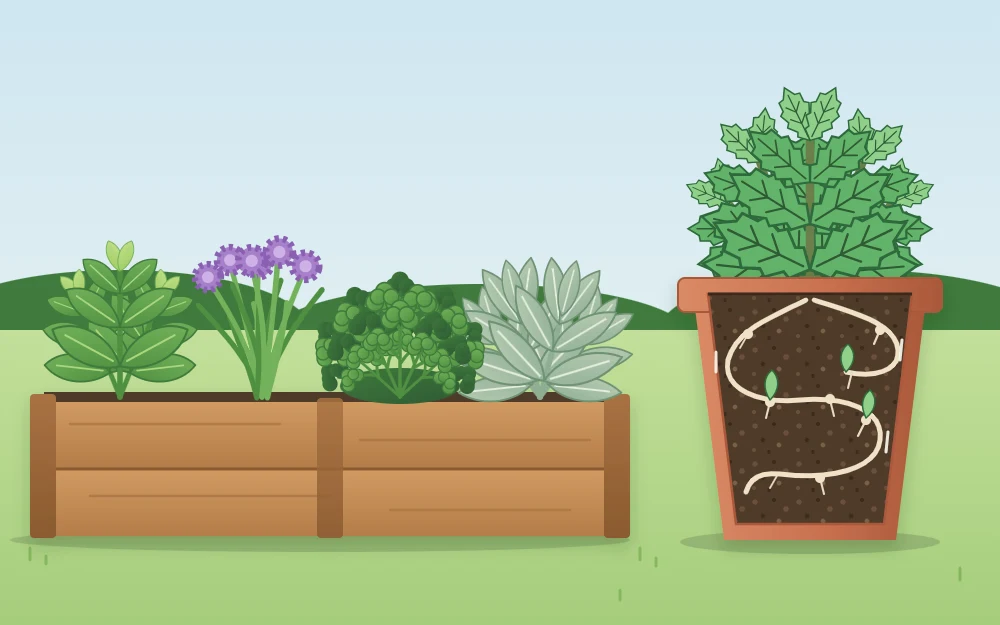
The simple answer for mint is its own container, kept beside the bed instead of in it. Stand the pot on a hard surface or a saucer so runners do not root through the drainage holes into the ground.
Tip
Trim oregano back after flowering and cut lemon balm before it sets seed. Both stay in bounds far more easily than mint when you do.
Ten herbs at a glance
The table sums up typical preferences. Varieties and climates differ, so treat the plant tag or seed packet as the final word for the plant in hand.
| Herb | Life cycle | Sun and moisture | Habit |
|---|---|---|---|
| Rosemary | Tender perennial | Full sun, on the dry side | Upright woody shrub |
| Thyme | Perennial | Full sun, on the dry side | Low mat, trails over edges |
| Sage | Perennial | Full sun, on the dry side | Bushy, woody at the base |
| Oregano | Perennial | Full sun, dry to moderate | Low, slowly spreading clump |
| Chives | Perennial | Sun or light shade, moderate | Upright grassy clump |
| Basil | Warm-season annual | Full sun, evenly moist | Bushy when pinched |
| Parsley | Biennial grown as annual | Sun or part shade, evenly moist | Leafy mound |
| Cilantro | Cool-season annual | Sun or part shade, evenly moist | Short leafy clump, then tall flower stalk |
| Dill | Annual | Full sun, evenly moist | Tall and feathery |
| Mint | Perennial | Sun or part shade, moist | Fast spreader by runners |
Several of these accept less light than fruiting vegetables do. The article on how much sun a raised bed needs explains how to measure what your spot really gets.
What grows well together
Put plants with the same needs side by side and each can be cared for properly.
- A dry, sunny group: rosemary, thyme, sage and oregano. They share lean soil and can be left a little drier.
- A moist, leafy group: basil, parsley, cilantro, dill and chives. They share richer soil and more even moisture.
- On its own: mint, in a pot.
Both groups can live in one bed if you give each its own end and manage the two ends differently. The tutorial on laying out a raised bed herb garden walks through that arrangement step by step, including where the tall plants go.
Herbs at the edges of a vegetable bed
You do not need a dedicated herb bed. The leafy group has much the same needs as vegetables, so basil, parsley, cilantro and chives slot into the corners and edges of a vegetable bed, where they are easy to snip from the path.
Keep in mind that annual herbs come out with the vegetables at the end of the season, while perennials stay for years. A perennial planted mid-bed gets in the way each time you refresh the soil, so a corner or a short end suits it better. The woody Mediterranean herbs are usually happier in a drier bed or a large pot than in soil kept moist for tomatoes and lettuce.
Frequently asked questions
Can rosemary and basil grow in the same raised bed?
They can share a bed, but not the same care. Rosemary prefers lean soil that dries somewhat between waterings, while basil wants richer soil kept evenly moist. Plant them at opposite ends and manage each end to suit its plants, or grow the rosemary in a large pot beside the bed.
Which herbs come back every year?
Chives, thyme, sage, oregano and mint are perennials that return in many climates. Rosemary is perennial only where winters are mild enough for it. Winter survival depends on your area, so compare your USDA hardiness zone with the range on the plant tag. Basil, cilantro and dill are annuals and are sown or planted again each year.
Should I plant mint in a raised bed?
It is better kept out. Mint spreads by runners that move quickly through loose bed soil and tangle into neighboring plants, and removing it later is slow work. Grow it in its own container next to the bed, and stand the pot on a hard surface so the runners cannot root into the ground.