
The Rise of Solar Powered Devices: A Smarter Way to Stay Charged
Solar powered devices are products that convert sunlight into electricity to run gadgets without relying on disposable batteries or wall outlets.
Here are the most popular types available today:
- Solar power banks – Portable chargers with built-in solar panels (10,000–49,800mAh capacity)
- Solar emergency radios – Hand-crank and solar combo radios with NOAA weather alerts and SOS signals
- Solar lanterns and flashlights – LED lighting for camping, hiking, and power outages
- Solar generators – High-capacity stations for home backup, RVs, and off-grid living
- Solar home kits – All-in-one lighting and charging systems for off-grid structures
- Solar watches – Timepieces that never need a battery replacement
- Specialized solar gadgets – Pool skimmers, air conditioners, water heaters, and more
If you spend time outdoors, you already know the frustration. Batteries die at the worst moments. You’re on a trail, at a campsite, or riding out a storm — and your gear is dead.
Solar powered devices solve that problem by pulling energy straight from the sun. No cables. No disposable batteries. No running out of power mid-adventure.
The shift is already happening. The world is moving away from petroleum-based energy toward cleaner alternatives, and solar gadgets are one of the most accessible entry points for everyday people.
The best part? These products have come a long way. From basic calculators in the 1970s to today’s high-capacity solar generators that can power an entire home during a blackout, the technology is now genuinely useful — not just a novelty.
How Solar Powered Devices Work and Why They’re Efficient
At the heart of every solar gadget is the photovoltaic (PV) cell. These cells are the “magic” components that turn sunlight into usable DC electricity. When photons from the sun hit the silicon layers of a solar panel, they knock electrons loose, creating an electric current. It is a process that has been refined since its discovery in 1839, evolving from powering 1950s satellites to modern-day solar-powered products.
For small gadgets like phone chargers, this DC electricity flows directly into a battery. However, for larger systems—like those used in off-grid homes—an inverter is needed to perform a DC to AC conversion, making the power compatible with standard household appliances.
Efficiency is the name of the game in 2026. Modern solar powered devices often utilize multi-busbar monocrystalline cells, which can reach conversion rates of up to 23-25%. This means more power from smaller panels. Furthermore, the integration of power electronics is revolutionizing how we use this energy. It is estimated that by 2030, 80% of all electricity could flow through power electronic devices, significantly improving grid resilience and reducing costs.
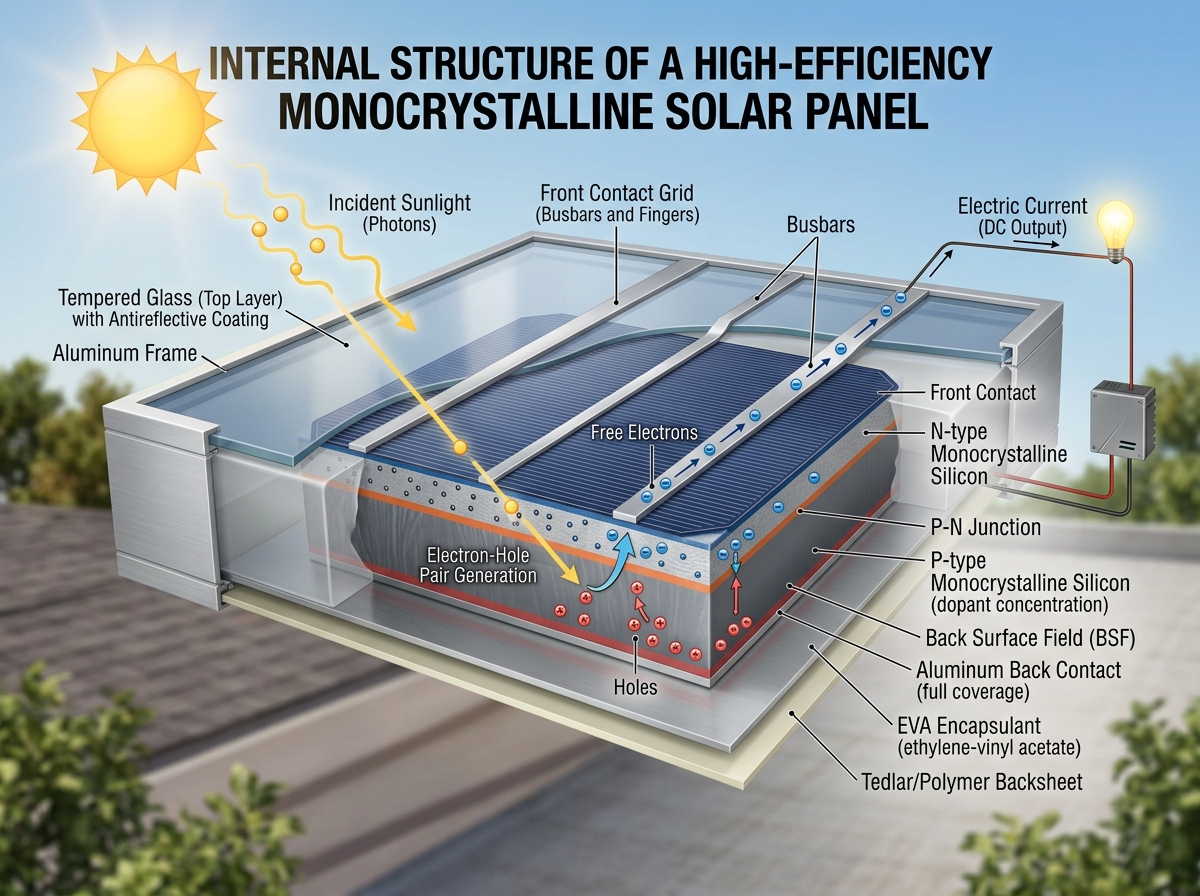
We often get asked about the “why” behind the switch. Beyond the obvious environmental benefits, there is a massive reliability factor. When you compare solar vs battery powered outdoor gadgets, solar wins on longevity. A traditional battery is like a squirrel storing acorns—once they’re gone, they’re gone. A solar device, however, is like having a “colossal power socket” in the sky that resets every morning.
Essential Solar Powered Devices for Camping and Hiking
When we hit the trails, weight and reliability are our top priorities. You don’t want to be three days into a trek only to realize your GPS is a paperweight. This is where portable solar chargers shine.
The market has some clear favorites based on real-world performance:
- High-capacity portable solar chargers: These are popular because they combine large batteries with wireless charging and flashlights—perfect for those “just in case” moments.
- Rugged solar power banks: Built for longer trips, these units offer massive capacity and are highly rated by outdoor enthusiasts.
- Advanced solar generators: For those who take “glamping” or basecamping seriously, these offer expandable capacity and can power everything from your laptop to a portable coffee maker with high efficiency.
Using green alternatives for outdoor tech isn’t just about being eco-friendly; it’s about being prepared. Lightweight, durable materials like ETFE film make these panels weather-resistant (IP68 rated), meaning they can handle the dust of the desert or a sudden downpour in the woods.
High-Efficiency Solar Powered Devices for Modern Living
Solar technology isn’t just for the wilderness; it’s finding a permanent home in our daily routines. Take solar watches for enthusiasts, for example. These timepieces can run for months in total darkness after a single day of light exposure, effectively ending the era of the “dead watch battery.”
For those living or working in off-grid structures, systems like all-in-one solar home kits are game-changers. These kits often include a solar panel that powers three hanging lights, an FM radio, and an MP3 player. It’s a “shoebox-sized” power plant that brings modern comfort to sheds, cabins, or vans.
The move toward energy independence is also driving smart home integration. We are seeing more devices that manage their own power consumption based on sun availability, helping us save on electricity costs while reducing our carbon footprint.
Top-Rated Emergency and Outdoor Tools
In an emergency, communication and light are non-negotiable. Traditional batteries have a shelf life and can leak over time, but solar-powered emergency tools are always ready as long as there’s a window nearby.
One of the most trusted devices in this category is the multi-functional emergency weather radio. These units often feature triple-threat charging via solar, hand-crank, or USB. They provide NOAA weather alerts, act as a power bank for your phone, and include an SOS signal.
For lighting, modular solar home systems are an excellent choice. They feature daisy-chainable lights with individual switches, allowing you to light up multiple rooms in a cabin or tent. You can find more tips on these types of solar-powered camping tools to ensure you’re never left in the dark.
Innovative Specialized Gadgets for Home and Maintenance
The world of solar powered devices has expanded far beyond just chargers and lights. We are now seeing specialized robots and appliances that take over the “chores” of home ownership.
- Robotic Solar Pool Skimmers: These clever gadgets float on your pool, using solar power to navigate and scoop up debris before it sinks. It’s a set-it-and-forget-it solution that keeps your pool crystal clear without a cent added to your power bill.
- Solar Tracking Robots: Instead of a stationary panel, these robots actively track the sun throughout the day. This simple movement can increase energy capture by 30-40% compared to a fixed panel.
- Public Charging: You might have seen “Strawberry Tree” chargers in public parks. These are large solar-powered stations that allow anyone to charge their mobile devices for free using clean energy.
Whether it’s eco-friendly solar lighting for your garden or a portable solar air conditioner for your RV, these specialized gadgets prove that sunlight can handle much more than we once thought.
Buyer’s Guide: Choosing the Best Solar Powered Devices
With so many options on the market, how do you pick the right one? It comes down to understanding the specs.
First, look at the mAh (milliampere-hour) rating. This tells you how much energy the device’s battery can store. A 10,000mAh bank can charge a modern smartphone about 2-3 times, while a 49,800mAh beast can keep you powered for a week.
Second, check the IP rating for durability. If you’re using the device outdoors, you want at least IP65 (water-resistant) or IP68 (waterproof and dustproof).
For those looking for serious home backup, high-capacity solar generators are a top-tier choice. They offer significant power output and can be charged quickly using high-efficiency solar panels.
When researching how to choose solar gadgets, consider the panel type. Monocrystalline panels are generally more efficient and last longer (up to 30 years!) compared to polycrystalline or thin-film alternatives.
Frequently Asked Questions about Solar Gadgets
Do solar powered devices work on cloudy days?
Yes, but with reduced efficiency. Solar panels don’t need direct, scorching heat; they need light. On a cloudy day, panels still pick up “diffuse” light, though they might only produce 10-25% of their rated capacity. Advanced solar home kits use larger panels specifically to help ensure a full charge even when the weather isn’t perfect.
How long do solar-powered batteries typically last?
Modern solar gadgets often use Lithium Iron Phosphate (LiFePO4 or LFP) batteries. These are incredibly durable, often rated for 3,000 to 4,000 charge cycles. In real-world terms, that means you could use the device every single day for 10 years before the battery capacity drops to 80% of its original strength.
Are solar chargers faster than traditional wall outlets?
Usually, no. A wall outlet provides a high, steady stream of AC power. Solar charging is a “trickle” process. For example, a small panel on the back of a power bank might take several days of direct sun to fully charge the internal battery. This is why we recommend using solar to top off your devices or as a backup, rather than your primary daily charging method.
Conclusion
The future is undeniably bright for solar powered devices. We’ve moved past the era of gadgets that were “cool but useless” and entered a time where solar energy provides genuine autonomy and security. Whether you are preparing for an emergency, planning a month-long hiking trip, or just want to keep your pool clean without raising your utility bill, there is a solar solution ready for you.
At Rico Compouco, we believe in the power of energy independence. By choosing high-quality solar gear, you aren’t just saving money—you’re investing in a more sustainable, resilient lifestyle.
Ready to see more? Explore more solar gadgets and find the perfect sun-powered companion for your next adventure.
