
Is a 5kW Off-Grid Solar Power System Right for You?
A 5kw off grid solar power system is one of the most popular setups for cabins, homesteads, and outdoor enthusiasts who want reliable power without a utility connection. Here’s what you need to know at a glance:
- What it is: A self-contained solar setup that generates, stores, and delivers electricity with no grid tie-in
- Typical daily output: 10–20 kWh depending on your location and sunlight hours
- Key components: Solar panels, a battery bank, a pure sine wave inverter, and a charge controller
- Best for: Cabins, tiny homes, remote worksites, RVs, and off-grid homesteads
- Average cost: Roughly $3,000–$14,000+ depending on battery type and kit quality
- Can it power a home? Yes — refrigerators, lights, washing machines, well pumps, and more
If you’re tired of replacing batteries in your gear and want a permanent, sustainable power source for off-grid adventures or living, a 5kW system is a strong starting point.
It’s big enough to handle real household loads. It’s small enough to stay affordable. And with modern LiFePO4 batteries and smart inverters, it’s more reliable than ever.
Before diving into components and costs, it helps to understand how energy actually flows through one of these systems — from sunlight hitting the panels all the way to powering your appliances.
Ready to go deeper? Check out our Beginner Guide to Solar Powered Gear if you’re just getting started with solar.
What is a 5kw off grid solar power system?
At its core, a 5kw off grid solar power system is a small power plant that you own and operate. Unlike “grid-tied” systems that feed energy back to the local utility company, an off-grid system is a closed loop. It provides total energy autonomy, meaning if the rest of the world goes dark, your lights stay on.
The “5kW” designation refers to the inverter’s capacity—its ability to provide 5,000 watts of continuous power to your appliances. However, the system’s actual performance depends on the “photovoltaic effect.” This is the scientific process where solar panels (the PV array) capture sunlight and convert it into Direct Current (DC) electricity.
Because most household items run on Alternating Current (AC), we need a way to transform that raw solar energy. This is where the conversion happens. The DC electricity flows from the panels, through a charge controller, and into a battery bank for storage. When you flip a light switch, the inverter pulls that DC power from the batteries and converts it into clean AC electricity.
Choosing a 5kW system is a significant step up from portable power stations. As we discuss in our guide Size Matters: Everything You Need to Know About Large Off-Grid Solar Systems, a system of this scale moves you from “camping mode” into “living mode.” It offers the freedom to run standard appliances without constantly checking a battery percentage.
Essential Components and Battery Storage
Building a 5kw off grid solar power system requires four main “pillars” of hardware. If one is weak, the whole system suffers.
1. High-Efficiency Solar Panels
Most modern 5kW kits utilize monocrystalline panels. These are cut from a single silicon source, making them more efficient than older polycrystalline versions. For a 5kW setup, you might see an array of 6 x 415W panels (roughly 2.5kW of solar input) or up to 18 x 325W panels (5.85kW). The more panels you have, the faster your batteries recharge.
2. The Pure Sine Wave Inverter
This is the “brain” of the operation. We always recommend a pure sine wave inverter because it produces electricity that is identical to (or cleaner than) the power from a wall outlet. This is vital for protecting sensitive electronics like laptops, TVs, and modern refrigerators. Cheap “modified” sine wave inverters can cause background fuzz on stereos or even damage the motors in your appliances.
3. Charge Controllers
These act as the gatekeeper between your panels and your batteries. They prevent overcharging and ensure the voltage coming from the roof matches what the battery bank needs. Most high-end 5kW systems use a 48V configuration, which is more efficient for high-power applications than 12V or 24V setups.
4. Battery Storage: LiFePO4 vs. AGM
This is where you’ll make your biggest decision. Your battery bank determines how long you can run your home when the sun isn’t shining.
- LiFePO4 (Lithium Iron Phosphate): These are the gold standard. They offer a high Depth of Discharge (DoD)—usually 80% to 90%—meaning you can use almost all the energy stored without damaging the battery. They often last for 5,000+ cycles.
- AGM (Absorbent Glass Mat): These are lead-acid batteries that are cheaper upfront but have a shorter lifespan (around 3,000 cycles) and a lower DoD of 50%. If you drain an AGM battery too low, you significantly shorten its life.
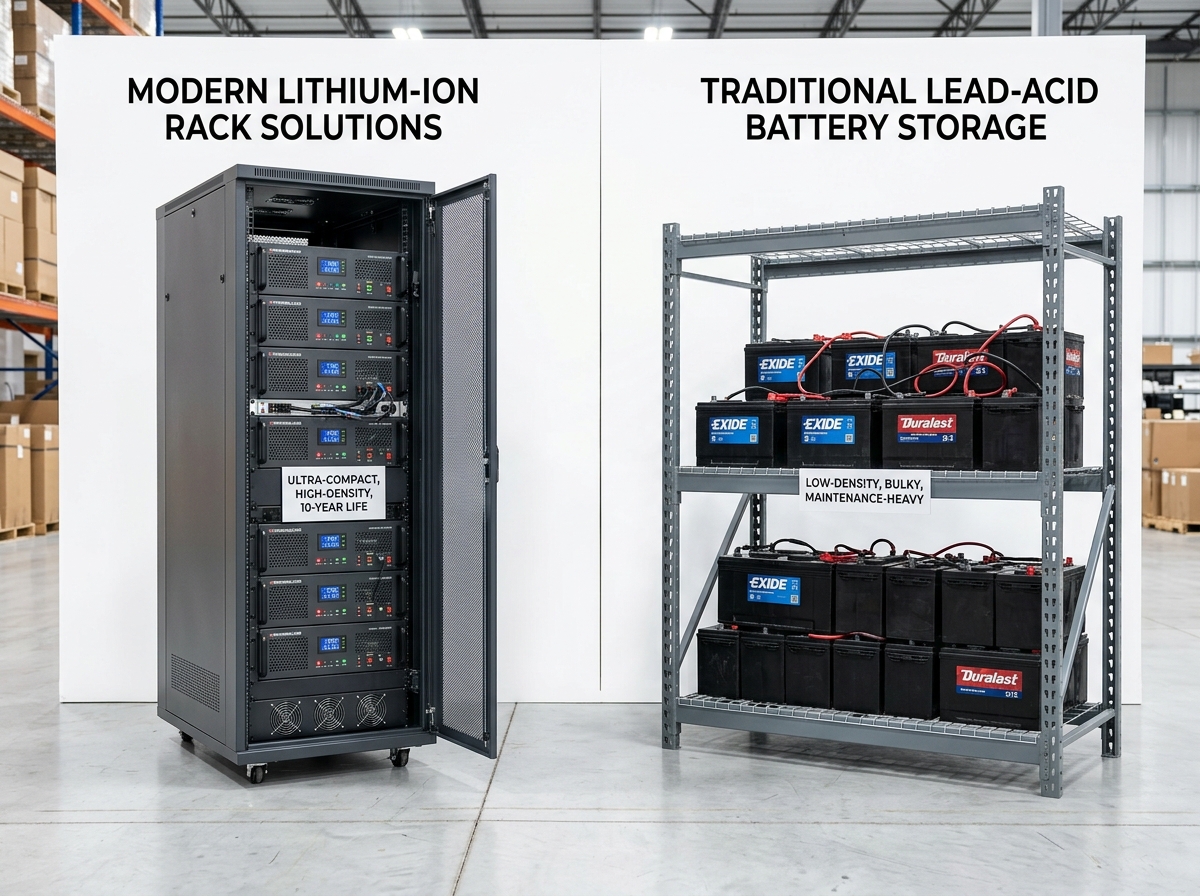
| Feature | LiFePO4 (Lithium) | AGM (Lead-Acid) |
|---|---|---|
| Upfront Cost | Higher | Lower |
| Usable Capacity (DoD) | 80% – 90% | 50% |
| Lifespan (Cycles) | 5,000+ | 300 – 3,000 |
| Maintenance | Zero | Minimal |
| Weight | Lightweight | Very Heavy |
As we explore in How to Maximize Solar Battery Life, lithium batteries like the 5.12kWh server rack models are becoming the preferred choice for off-grid living due to their “set it and forget it” nature.
Performance and Appliance Compatibility
How much power does a 5kw off grid solar power system actually produce? The answer depends heavily on where you live and the “Peak Sun Hours” your region receives.
On average, a 5.12kW array might produce 10kWh to 20kWh per day. In the Southwest US, you might see over 20kWh daily during the summer, while a user in the Northeast might average around 9.3kWh per day in the winter.
Factors that affect output include:
- Shading: Even a small shadow on one panel can drop the output of the entire string.
- Angle: Panels should be tilted to catch the most direct sunlight based on your latitude.
- Weather: Clouds and rain reduce production, though modern panels still generate some power in overcast conditions. You can read more about this in our article on Using Solar Devices in Different Weather Conditions.
What appliances can a 5kw off grid solar power system power?
A 5kW system is a workhorse. It is designed to handle the “big stuff” that smaller portable kits simply can’t touch. Based on common configurations, a system of this size can typically support:
- Refrigerators and Freezers: Runs 24/7 without a hitch.
- Well Pumps: Essential for off-grid water; the 5kW inverter has the “surge” capacity to start the pump’s motor.
- Washing Machines: You can do laundry during the day when the sun is brightest.
- LED Lighting: You can light up an entire home with very little draw.
- Power Tools: Great for workshops or remote construction sites.
- Sensitive Electronics: Laptops, tablets, and smartphones are safe with a pure sine wave inverter. Check out our Tips for Charging Gadgets Off-Grid for more efficiency hacks.
Installation, Costs, and Maintenance
Installing a 5kw off grid solar power system is a significant project, but many homeowners choose the DIY route to save money.
DIY vs. Professional Installation
A DIY kit can save you up to 60% on installation costs, which can sometimes equate to $10,000 or more in labor savings. Most kits come “pre-wired” on a power center, meaning the complicated electrical connections between the inverter and charge controller are already done for you. You just need to mount the panels and connect the batteries.
Mounting Options
- Roof Mounting: Uses Z-brackets to secure panels to your home or cabin roof. This saves space but requires you to be comfortable working at heights.
- Ground Mounting: Often better for off-grid properties with plenty of land. It allows for easier cleaning and maintenance, and you can tilt the panels perfectly toward the sun.
For more on setting up your hardware, see our guide on the Easy Setup of Solar Outdoor Tech.
Costs and Incentives
The price for a complete 5kW kit usually ranges from $4,700 to $9,200, depending on the quality of the panels and the size of the battery bank. The good news? In the United States, these systems often qualify for the 30% Federal Tax Credit, which can put thousands of dollars back in your pocket.
Maintenance
Solar systems are remarkably low-maintenance because they have no moving parts. The main task is keeping the panels clean. Dust, pollen, and snow can create a barrier between the sun and the cells.
Sizing your 5kw off grid solar power system for maximum efficiency
To get the most out of your system, you need to understand your “load.” This is the total amount of electricity you use in a 24-hour period. We recommend using an off-grid calculator to add up the wattage of every light, pump, and charger you plan to use.
One of the best features of a modern 5kw off grid solar power system is expandability. Many inverters allow you to “parallel” up to six identical units. This means if you start with 5kW and realize you need more power for a new air conditioner or a guest house, you can simply add another inverter and more batteries later.
If things aren’t working as expected, don’t panic. Check out our guide on Troubleshooting Solar-Powered Devices to identify common wiring or shading issues.
Frequently Asked Questions about 5kW Off-Grid Solar
Is a 5kW system enough to run a whole house?
It depends on your lifestyle. For a modest home with energy-efficient appliances (LED lights, high-efficiency fridge, no electric heating), a 5kW system is often plenty. However, if you want to run a central A/C unit, an electric water heater, and an electric oven simultaneously, you may need a larger system or a hybrid setup with a backup generator.
How many batteries do I need for 3 days of backup?
To survive three days of cloudy weather (known as “autonomy”), you generally need about 15kWh to 30kWh of usable storage for an average off-grid home. With a 5kW system, this usually translates to 3 to 6 large server-rack lithium batteries.
What is the average lifespan of a 5kW off-grid kit?
You can expect a long life from high-quality components:
- Solar Panels: 25-year warranty; they often last 30+ years.
- Inverters: 3 to 10 years, depending on the brand.
- Lithium Batteries: 10 to 15 years (or 5,000+ cycles).
- AGM Batteries: 5 to 7 years.
Conclusion
At Rico Compouco, we believe that energy freedom shouldn’t be a luxury reserved for the few. A 5kw off grid solar power system represents a turning point for anyone seeking a sustainable, independent lifestyle. Whether you are powering a remote hunting cabin, a tiny home, or a full-time homestead, this system provides a reliable foundation that grows with your needs.
The long-term ROI is clear: by generating your own power, you eliminate monthly utility bills and protect yourself against rising energy costs. Plus, the peace of mind that comes from knowing your family has power during an emergency is priceless.
Ready to take the next step in your off-grid journey? Explore more info about outdoor tech services to find the best gear and guides for your sustainable lifestyle. Powering your world with the sun has never been easier!
