
Why a 200W Folding Solar Panel Is a Game-Changer for Off-Grid Power
A 200w solar panel folding design gives you serious portable power without hauling heavy, rigid equipment into the backcountry.
Quick answer — what you need to know:
| Feature | Typical Range |
|---|---|
| Weight | 13.9 lbs – 26 lbs |
| Folded size | ~22″ x 21″ x 2″ |
| Cell efficiency | 22% – 25%+ |
| Daily power output | ~400–600 Wh (in 4–5 sun hours) |
| Waterproof rating | IP65 – IP67 |
| Best for | Camping, RV boondocking, emergency backup |
If you’ve ever watched your phone die on day two of a camping trip, or limped an RV battery through a cloudy afternoon, you already understand the problem. Portable power matters — and traditional solutions (extra batteries, gas generators) are heavy, loud, or both.
Foldable 200W solar panels solve this in a compact, carry-anywhere format. Modern monocrystalline cells now hit over 23% efficiency, and some N-Type panels push past 25%. According to the Office of Energy Efficiency & Renewable Energy, these advancements in photovoltaic technology allow for more watts from a smaller surface, packed into something you can tuck under your arm.
The market has exploded with options — from ultra-light 13.9 lb panels to sturdier framed units pushing 26 lbs. Different manufacturers each take a unique approach to weight, durability, and output ports.
This guide cuts through the noise and shows you exactly what separates a great 200W folding panel from a disappointing one.
Key Features of a High-Performance 200w Solar Panel Folding Kit
When we look at the current market for a 200w solar panel folding kit, we aren’t just looking at a slab of glass anymore. Modern portable solar technology has moved toward lightweight, high-tensile materials that can survive being tossed in the back of a truck or rained on during a sudden mountain storm.
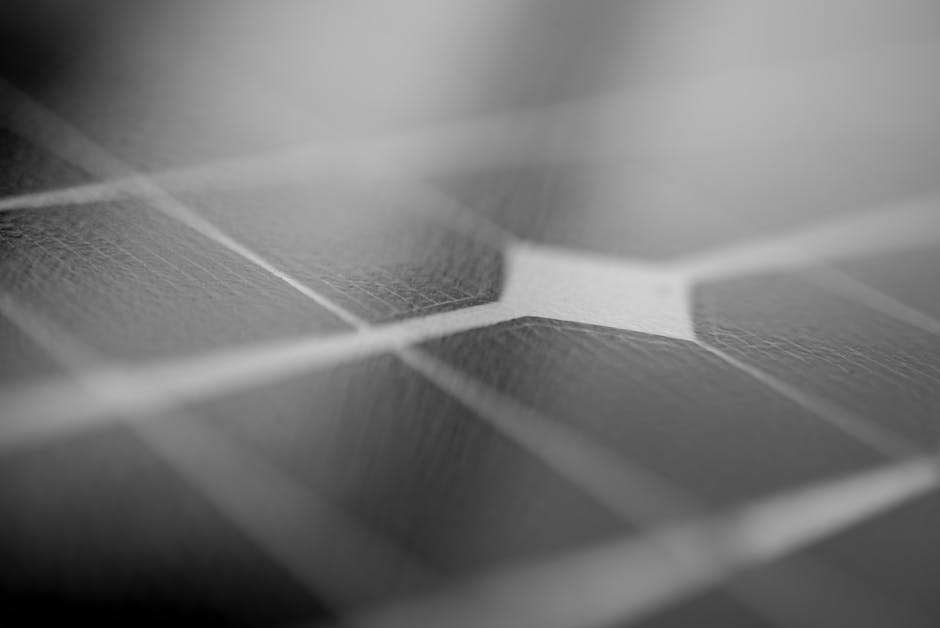
The gold standard for these panels is monocrystalline cell technology. Unlike older polycrystalline versions, monocrystalline cells are made from a single crystal structure, allowing electrons more room to flow. This results in higher conversion efficiencies—often reaching 23% to 23.5% in premium models.
One feature we always look for is ETFE lamination. You might see cheaper panels using PET (polyethylene terephthalate), but ETFE (ethylene tetrafluoroethylene) is the clear winner for longevity. ETFE is more durable, has better light transmission (around 97%), and is far more resistant to the “milking” or clouding that happens to cheaper plastics over time.
Furthermore, some high-end panels utilize a honeycomb light-trapping design. This texture helps capture sunlight from wider angles, which is a lifesaver on cloudy days when the sun isn’t hitting the panel directly. Combined with an IP67 waterproof rating, which means the panel can technically survive being submerged in a meter of water for 30 minutes, you get a kit that is as rugged as it is powerful.
Understanding N-Type Cell Efficiency
If you want the absolute cutting edge, keep an eye out for N-Type cells. While standard P-type cells are common, N-Type technology pushes the boundaries of what a portable panel can do. Some high-performance models boast efficiencies of over 25%.
Why does this matter? Simply put: footprint. A more efficient cell produces more power in a smaller physical space. This is a huge win for hikers or those with small camper vans where every inch of storage counts. High efficiency also means your batteries charge faster during those peak sun hours, which is a core part of how to maximize solar battery life.
Durability and Weatherproofing Standards
We often get asked about the difference between IP65 and IP67 ratings.
- IP65: Protected against water jets (think heavy rain or a garden hose).
- IP67: Protected against temporary immersion (dropping it in a shallow creek or a deep puddle).
Most high-quality 200w solar panel folding units use Oxford fabric for the outer casing. It’s wear-resistant and provides the structural “hinges” for the folding mechanism. However, while the panels themselves might be IP67, the junction boxes and controllers often are not. Always keep your connections dry!
Comparing Portability and Performance: What to Look For
Not all 200W panels are created equal when it comes to travel. We’ve seen everything from “suitcases” that feel like carrying a heavy piece of luggage to “blankets” that fold down like a large laptop sleeve.
| Model Style | Typical Weight | Best Feature |
|---|---|---|
| Ultra-Lightweight | ~13.9 lbs | Maximum portability for hiking |
| Standard Foldable | 17.9 – 18.25 lbs | Balance of durability and weight |
| Framed/Suitcase | ~26.2 lbs | Maximum stability in high winds |
Weight and Dimensions for Travel
If you are moving camp every day, weight is your biggest enemy. A high-quality foldable panel typically weighs about 18.25 lbs, which is very manageable for one person. On the other end of the spectrum, some framed units can weigh over 26 lbs. While heavier, these often include sturdier adjustable kickstands and magnetic handles that make setup a breeze.
Design also plays a role. A six-fold design allows a massive 200W array to shrink down to the size of a briefcase. We also love seeing built-in storage compartments for cables; there is nothing worse than arriving at a campsite only to realize your MC4 adapters are still sitting on the garage workbench.
Real-World Power Output of a 200w Solar Panel Folding System
Here is a truth bomb: your 200W panel will rarely actually produce 200W.
The “200W” rating is based on Standard Test Conditions (STC)—perfect 25°C temperature and 1000W/m² of light. In the real world, factors like heat (which actually lowers solar efficiency), haze, and the angle of the sun play a huge role. On a good day with 5 hours of direct sun, you can realistically expect to harvest between 400Wh and 600Wh of energy.
To get the most out of your gear, we recommend checking out our tips for charging gadgets off-grid to ensure you aren’t wasting the precious power you harvest.
Setting Up Your 200w Solar Panel Folding System for Maximum Yield
Setting up a 200w solar panel folding system is generally “plug and play,” but there is a specific order of operations you should follow to protect your equipment.
The most important rule? Connect the battery to the charge controller first. Only after the controller is powered by the battery and knows the system voltage (12V or 24V) should you connect the solar panels. When you’re done, do the reverse: panels off first, then the battery.
Choosing the Right Charge Controller
For a 200W system, you generally have two choices: PWM (Pulse Width Modulation) or MPPT (Maximum Power Point Tracking).
- PWM: These are cheaper and often come included in “all-in-one” kits. They are fine for basic needs, but they essentially “clip” the extra voltage from your panel, wasting potential energy.
- MPPT: These are the smart choice. A high-efficiency MPPT controller can increase your charging efficiency by up to 30% by converting excess voltage into additional amperage.
If you’re dealing with long cable runs (over 20 feet), you’ll want to use at least 10AWG wire gauge to minimize voltage drop. For more on the nitty-gritty of setup, see our guide on setting up solar chargers in the outdoors.
Connection Protocols and Safety Tips
Safety is key when playing with electricity, even at 12V.
- Use Inline Fuses: We recommend a 20A fuse on the solar (PV) side and a 35-40A fuse on the battery side for a 200W system.
- Check Connectors: Most modern panels use MC4 connectors. These are weatherproof and locking, making them much safer than old-school alligator clips.
- Series vs. Parallel: Connecting two 200W panels in series doubles the voltage (better for long cable runs), while parallel doubles the amperage (better if one panel might be partially shaded).
If things aren’t working as expected, don’t panic. We have a full guide on troubleshooting solar-powered devices to help you find the bottleneck.
Ideal Use Cases for Portable 200W Solar Power
A 200w solar panel folding kit is the “Goldilocks” of solar. 100W is often too little for anything beyond charging a phone, and 400W is often too bulky for casual travel. 200W is just right.
RV and Trailer Boondocking
For RVers, a portable 200W panel is the perfect supplement to roof-mounted solar. Why? Because we all like to park our RVs in the shade to keep the cabin cool! With a portable panel and a 30-foot extension lead, you can park in the shade and “chase the sun” with your folding panel.
Many modern trailers come “Solar Ready” with an SAE plug on the side. You can simply plug your folding panel into this port to maintain your lead-acid or LiFePO4 batteries while the fridge and lights are running. This is one of our favorite tips for charging gadgets off-grid-2.
Emergency Power and Home Backup
In a power outage, a 200W panel can be a literal lifesaver. While it won’t run your air conditioner, it can keep your phones charged, run LED lighting for days, and even power a small 12V portable fridge to keep medicine or basic food from spoiling. If you have a portable power station, a 200W panel can usually recharge a mid-sized unit (500Wh) in about 3-5 hours of good sun.
For those looking to power multiple items at once, check out our insights on charging multiple devices with solar panels.
Frequently Asked Questions about 200W Folding Panels
How much power does a 200W folding panel produce daily?
In the real world, you can expect about 500Wh to 800Wh per day depending on your location and the season. In the summer with 6 hours of peak sun, you’ll hit the higher end. In the winter or in cloudy regions, you might only see 300Wh. Keeping your panels clean is vital for maintaining this output; learn more at how to maintain outdoor solar gadgets.
Can I connect multiple 200w solar panel folding units together?
Absolutely! Most people start with one and add a second as their power needs grow. You can use Y-branch MC4 connectors to connect them in parallel. Just ensure your charge controller can handle the combined amperage (a 200W panel usually puts out about 10-11 amps, so two would require a 30A controller). For larger setups, read size-matters-everything-you-need-to-know-about-large-off-grid-solar-systems.
Do I need a battery to use a folding solar panel?
While some panels have built-in USB ports for direct charging, we always recommend using a battery or power station as a “buffer.” Solar power fluctuates constantly as clouds pass by. A battery smooths out this power, ensuring your devices get a steady, safe voltage.
Conclusion
At Rico Compouco, we believe that freedom is having the power to go anywhere without leaving modern convenience behind. A 200w solar panel folding kit is one of the smartest investments you can make for your off-grid adventures. Whether you choose an ultra-light N-Type panel for its high efficiency or a rugged ETFE-laminated workhorse for its durability, you’re taking a massive step toward energy independence.
Ready to light up your next trip? Explore our full range of solar gadgets and find the perfect match for your power needs!
