
Why a Solar Powered Outdoor Thermometer Beats Replacing Batteries Every Season
A solar powered outdoor thermometer is the go-to choice for anyone tired of swapping out batteries in their outdoor gear. Here are the top options to consider:
| Type | Best For | Price Range | Key Feature |
|---|---|---|---|
| Wireless multi-zone monitor | Large yards, gardens | ~$22–$55 | 330ft+ range, humidity tracking |
| Garden stake thermometer | Decorative outdoor use | ~$23–$45 | Solar LED lighting, no wiring |
| Window-mount thermometer | Monitoring from indoors | ~$20–$40 | Solar-charged backlight, MIN/MAX records |
| Floating pool thermometer | Pools and spas | ~$20–$35 | Waterproof, LCD display |
No wiring. No dead batteries mid-winter. Just place it in the sun and it works.
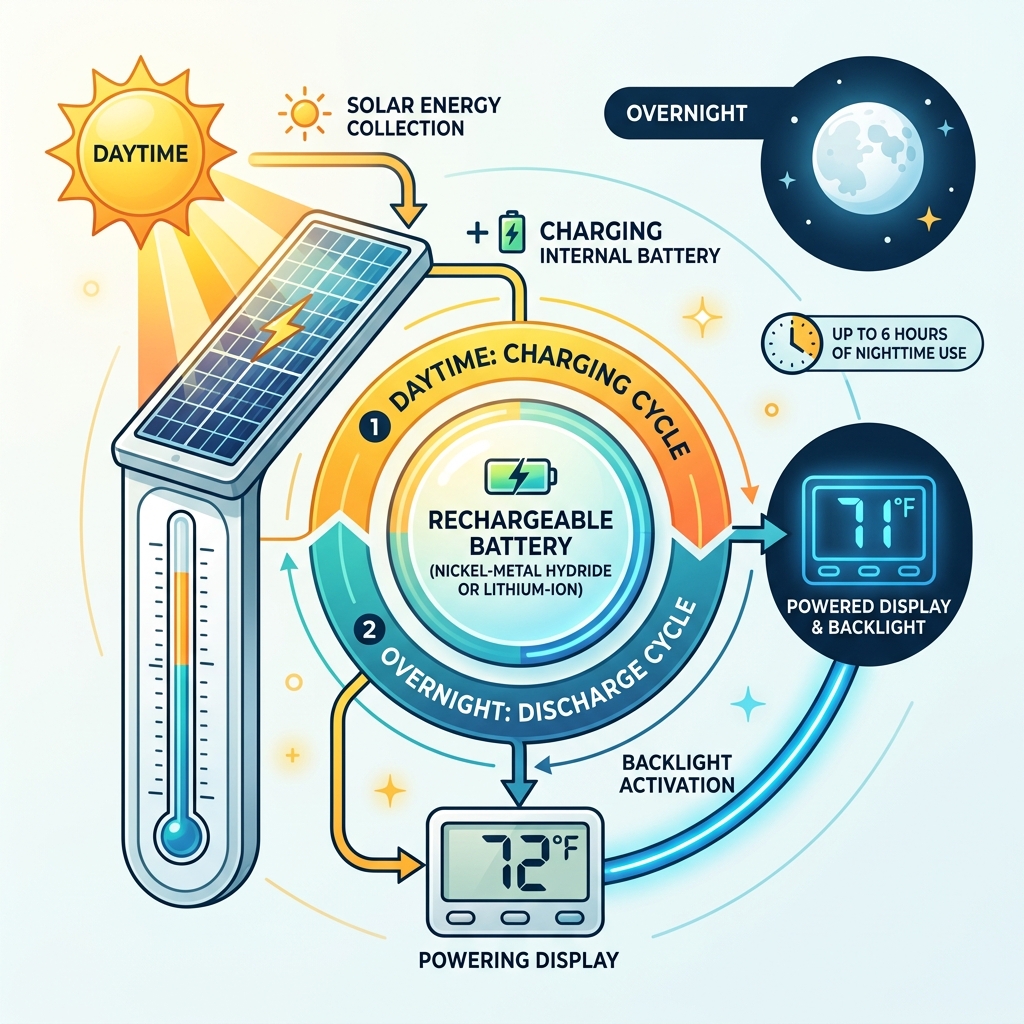
Solar thermometers use a small built-in solar panel to charge a rechargeable battery during the day. That stored energy powers the display and backlight — sometimes for up to 6 hours after dark — and the cycle repeats automatically.
They’re accurate, low-maintenance, and built to handle real outdoor conditions. Whether you’re tracking garden temps, watching your pool, or just want to know what it’s like outside before your morning coffee — there’s a solar model built for it.
With over 270 solar thermometer options on the market and top-rated models pulling in thousands of 4.4–4.6 star reviews, the category has matured fast. The hard part isn’t finding one — it’s knowing which type fits your setup.
This guide breaks it all down.
Understanding the Solar Powered Outdoor Thermometer
When we talk about a solar powered outdoor thermometer, we aren’t just talking about a glass tube filled with red liquid. Modern solar thermometers are sophisticated electronic devices designed to harvest energy from the sun to provide real-time data. They eliminate the “clutter” of wires and the recurring cost of disposable batteries, making them a cornerstone of any Beginner Guide to Solar Powered Gear.

At the heart of these devices are small photovoltaic cells. These cells capture sunlight and convert it into electrical energy. This energy isn’t just used immediately; it is stored in internal rechargeable batteries (typically Ni-MH) so the device can continue to function through the night or during heavily overcast days. This allows for seamless dusk-to-dawn operation, ensuring you can check the temperature at 3:00 AM just as easily as at 3:00 PM.
How Solar Power Systems Work
The magic happens through a simple but effective charging cycle. During daylight hours, the solar panel absorbs energy and stores it within a built-in rechargeable battery. For many decorative or garden models, a full day of sun provides enough juice for up to 6 hours of LED illumination and continuous temperature monitoring.
In some advanced designs, like those seen in Solar-Powered Garden Thermometers, the solar power system is specialized. Often, the solar panel is dedicated to charging the battery for the backlight, while a separate long-life battery may run the low-energy LCD display. This “dual-power” approach ensures that even if the sun stays hidden for a few days, you won’t lose your basic temperature readings.
Accuracy and Sensor Reliability
A common question we hear is: “Is it actually accurate?” The answer is a resounding yes. Most high-quality solar thermometers utilize advanced thermal sensors that offer precision within +/- 2°F.
Wireless reliability has also come a long way. Many modern units, such as the BaldrTherm Solar Outdoor Thermometer, utilize a 433 MHz wireless signal to transmit data from the outdoor sensor to an indoor display. These sensors often report data every 16 to 30 seconds, providing a “live” look at your backyard environment. With transmission ranges reaching up to 330 feet (100 meters) or even 380 feet in some cases, you can monitor the far corner of your garden from the comfort of your living room.
Essential Features of a Solar Powered Outdoor Thermometer
When shopping for the perfect solar powered outdoor thermometer, it’s easy to get distracted by flashy designs. However, the best value comes from features that improve daily usability and data depth.
Display Visibility and Backlighting
If you can’t read the display, the thermometer isn’t doing its job. Many solar models feature large LCD screens (often 2 to 4.5 inches) that display digits in a bold, easy-to-read font.
One of the standout features of solar-powered units is the solar-charged backlight. Devices like the Large Window Thermometer with Solar Powered Backlight use an integrated solar cell to power an automatic backlight. This light kicks in at dusk, allowing you to read the temperature through a window at night without having to step outside with a flashlight.
| Feature | LCD Display | Analog (Dial) Display |
|---|---|---|
| Power Source | Solar + Rechargeable Battery | Solar (for lighting only) |
| Readability | High (Digital digits) | Moderate (Needle position) |
| Data Depth | High (Min/Max, Humidity, Trends) | Basic (Current temp only) |
| Night Use | Automatic LED Backlight | Illuminated Face |
Multi-Zone Monitoring Capabilities
Why stop at one location? Advanced solar systems allow for multi-zone monitoring. A single indoor base station can often connect to up to three or four different wireless sensors. This means you can track the temperature in your greenhouse, your pool, and your front porch simultaneously.
The BaldrTherm Digital Solar Powered Indoor Outdoor Thermometer is a prime example, offering 3-channel monitoring. This is incredibly useful for those managing sensitive environments, like a wine cellar or a reptile enclosure, alongside their standard garden monitoring.
Solar vs. Battery Powered: Pros, Cons, and Value
Choosing between solar and traditional battery power involves weighing long-term convenience against initial setup. As we move toward more Eco-Friendly Solar Gadgets for Outdoors, the choice is becoming clearer for many homeowners.
Advantages of Solar Integration
The primary advantage is, of course, low maintenance. Once installed, a solar powered outdoor thermometer requires very little attention. There are no wires to run through your walls and no annual “battery hunts” where you realize your sensor died three weeks ago.
From a sustainability standpoint, using solar power reduces your carbon footprint by keeping disposable alkaline batteries out of landfills. Furthermore, the cost-efficiency is undeniable; after the initial purchase, the “fuel” for your thermometer is free. This makes them some of the Solar Powered Gadgets That Are Raising the Camping Game in 2026, as they provide reliable data in remote locations without power access. If you are unsure about the transition, our guide on How to Choose the Best Solar Gadgets for Outdoors can help you navigate the specs.
Potential Disadvantages to Consider
It’s important to be realistic: solar power depends on the sun. If you live in a region with extremely long, dark winters, the rechargeable battery may struggle to maintain a full charge for the backlight.
Additionally, extreme cold can affect battery lifespan. While many sensors are rated down to -40°F, Ni-MH batteries can lose efficiency in deep freezes. To combat this, many high-end models include a backup battery slot for a standard alkaline or lithium battery to ensure the sensor never goes dark during a blizzard.
Top Rated Solar Powered Outdoor Thermometer Types for Every Setting
There isn’t a “one size fits all” thermometer. Depending on where you want to measure the temperature, you’ll need a specific design.
Garden and Decorative Stake Models
For those who want functionality without sacrificing style, garden stake models are the way to go. These often feature copper-plated metal or powder-coated steel designs that look like garden art. The 4′ Solar Outdoor Thermometer, for instance, stands four feet tall and resembles a blue buttercup.
These models serve a dual purpose: they act as a functional solar powered outdoor thermometer and a decorative LED light that illuminates your garden path at night. They are typically weather-resistant and easy to “install” — you simply push the stake into the ground.
Floating Pool and Spa Thermometers
Monitoring water temperature is vital for pool and hot tub owners. Solar-powered pool thermometers, like those found on Amazon.com, feature an IPX-8 waterproof rating. They float on the surface, soaking up sun during the day to power a large LCD display. Many of these units also transmit the water temperature wirelessly to an indoor display, so you can check if the water is warm enough for a swim before you even put on your suit.
Installation and Maintenance for Optimal Performance
Even the best solar powered outdoor thermometer will underperform if it’s placed in the shade or neglected. Proper setup is the key to longevity.
Best Practices for Placement
To get the most out of your device, follow these placement tips:
- Maximize Sunlight: Ensure the solar panel has a clear view of the sky. Some models, like the Solar Outdoor Thermometer, feature a 180-degree rotating solar panel so you can angle it perfectly toward the sun.
- Avoid Heat Sinks: Don’t mount your thermometer directly onto a dark brick wall or a metal shed that sits in direct sun. These surfaces absorb heat and will give you a “false high” reading. Use a mounting bracket to keep the sensor a few inches away from the surface.
- Height Matters: For garden stakes, ensure they are tall enough to not be shaded by growing plants. For wall mounts, 5 to 6 feet off the ground is usually ideal for accurate air temperature readings.
If you’re integrating this into a larger setup, check out our tips on Top Solar Chargers for Outdoor Use 2026 and Portable Weather Stations for Outdoor Adventures.
Cleaning and Battery Care
Maintenance is simple but necessary. Every few months, wipe down the solar panel with a damp cloth. Dust, pollen, and bird droppings can significantly reduce the panel’s efficiency.
Most rechargeable Ni-MH batteries inside these units will last for 1 to 2 years. If you notice the backlight is getting dim or the display is fading, it may be time to replace the internal rechargeable battery. Always check the manufacturer’s guide to ensure you are using the correct voltage and capacity. For winter storage, if you live in an area with extreme sub-zero temperatures and don’t need to monitor the yard, bringing the unit indoors can help preserve the battery chemistry.
Frequently Asked Questions about Solar Thermometers
How long do solar powered thermometers last on a full charge?
Most models provide enough energy for 24-hour operation. The “active” features, like an LED backlight, typically run for 6 to 10 hours on a full charge. The low-energy LCD display and temperature sensor can often run for several days even without direct sunlight, thanks to the stored battery reserve.
Are solar thermometers as accurate as traditional battery models?
Yes. The power source (solar vs. battery) does not affect the sensor’s accuracy. Both types use the same digital thermistor technology. The accuracy is generally within +/- 2°F, which is standard for consumer-grade weather equipment.
Can solar thermometers withstand extreme winter weather?
Most are designed with weather-resistant (IP54 or higher) casings that handle rain, snow, and ice. However, in temperatures below -4°F, the rechargeable batteries may struggle. If you live in an extremely cold climate, look for a model that allows for a lithium battery backup, as lithium performs much better in the cold than standard alkaline or Ni-MH batteries.
Conclusion
At Rico Compouco, we believe that sustainable living shouldn’t be a chore. Switching to a solar powered outdoor thermometer is a small but impactful way to modernize your home while reducing waste. From decorative garden stakes that light up your yard to high-tech wireless monitors that track humidity across four different zones, there is a solar solution for every backyard.
By choosing a device that harvests its own energy, you ensure that you’re always informed about your environment—no matter the season. Ready to explore more ways to power your outdoor life? Dive into our full Category: Solar Gadgets for the latest in green tech.
