
Why a Small Solar Battery Bank Is a Game-Changer for Off-Grid Adventures
A small solar battery bank lets you charge your devices anywhere the sun shines — no outlet required. Here are the top options worth considering:
Top Small Solar Battery Banks at a Glance:
| Model | Weight | Direct Sun Output | Best For |
|---|---|---|---|
| SolarPowa 28 | 20.9 oz | 2,177 mAh/hr | Best overall performance |
| 10W Rugged | 12.6 oz | 1,401 mAh/hr | Best value |
| E10 Mini | 7.3 oz | 1,247 mAh/hr | Best ultralight option |
| Nomad 5 | 12.4 oz | 789 mAh/hr | Best for casual use |
A dead phone is useless when you’re miles from the nearest outlet. For outdoor enthusiasts, that’s not just an inconvenience — it can be a safety issue.
The good news? Portable solar charging has come a long way. Today’s best small solar battery banks are lighter, faster, and more reliable than ever before.
But not all solar power banks are created equal. Some panels are genuinely useful for charging phones and GPS devices on the trail. Others — especially those with tiny integrated solar panels — barely generate enough power to matter.
Over 100 portable solar chargers have been independently tested since 2013. The performance gaps between models are significant. Knowing what separates a great option from a disappointing one can save you money and frustration.
This guide breaks down the best options, what the numbers actually mean, and how to pick the right one for your adventures.

Top-Rated Small Solar Battery Bank Models for Every Adventure
When we talk about finding the perfect small solar battery bank, we are looking for that “Goldilocks” zone: enough wattage to actually charge a device, but light enough that it doesn’t feel like you’re carrying a lead brick in your pack. Based on extensive independent testing, a few clear winners have emerged that balance efficiency, weight, and price.
| Metric | SolarPowa 28 | 10W Rugged | E10 Mini | Nomad 5 |
|---|---|---|---|---|
| Wattage | 28W | 10W | 10W | 5W |
| Weight | 20.9 oz | 12.6 oz | 7.3 oz | 12.4 oz |
| Direct Sun (mAh/hr) | 2,177 | 1,401 | 1,247 | 789 |
| Indirect Sun (mAh/hr) | 583 | 295 | 235 | (Minimal) |
Best Small Solar Battery Bank for Ultralight Backpacking
If you are a “grams-counter” who trims the handle off your toothbrush to save weight, the E10 Mini is your new best friend. Weighing in at a feather-light 7.3 oz, it is the lightest model currently recommended for serious trail use.
Despite its minimalist design, it punches way above its weight class. In direct sunlight, it generates approximately 1,247 mAh per hour. To put that in perspective, a standard smartphone battery is usually around 3,000 to 4,000 mAh. This means three hours of good sun with this tiny panel can give your phone a significant boost, making it a top-tier small solar battery bank for those who prioritize portability above all else.
High-Capacity Options for Extended Trips
Sometimes, “small” refers to the footprint, but you still need “big” energy. If you are heading out for a week-long basecamp or need to power more than just a phone, you’ll want to look at high-capacity bundles.
One standout for those with serious power needs is the 76,800mAh 276Wh Power Bank. While it weighs 3.3 lbs (placing it on the heavier side of “small”), its 276Wh capacity is a beast. It’s even compatible with CPAP machines, which is a total game-changer for campers with sleep apnea.
Another excellent mid-to-high range choice is the 24W/24000mAh Solar Power Bank with 88.8W Battery. This unit is clever because it integrates a 24W solar panel directly with an 88.8Wh battery. It’s smaller than a MacBook when folded and supports 60W PD fast charging, meaning you can actually top up a laptop in a pinch.
For those who want a rugged, all-in-one solution that feels indestructible, there are 26,800mAh fast-charging portable solar power banks available that offer high-capacity storage. These are often TSA-approved (under the 100Wh limit) and feature a built-in solar panel for trickle charging.
Performance Metrics: Direct vs. Indirect Sunlight Efficiency
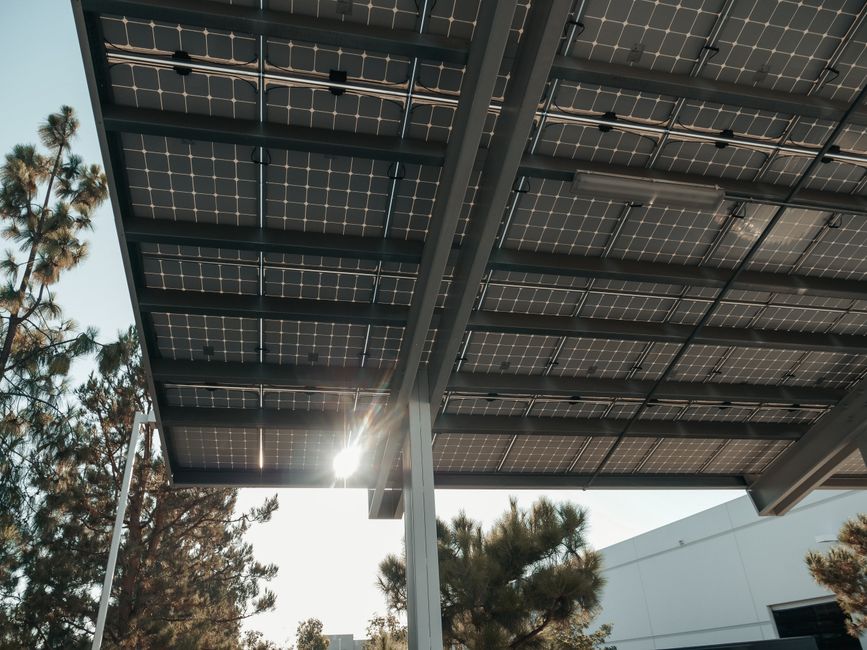
Let’s get technical for a second (but not too technical). The efficiency of your small solar battery bank depends almost entirely on the quality of its monocrystalline cells and how you position them.
The SolarPowa 28 is a leader in efficiency. In direct, overhead sunlight, it can pump out 2,177 mAh in a single hour. However, the sun isn’t always cooperating. In indirect sunlight (think hazy days or light tree cover), that output drops to 583 mAh. That’s still enough to keep a GPS device alive, but it shows why “wattage” on the box doesn’t always tell the whole story.
Most small panels (rated between 5W and 40W) follow this trend. A 10W model generates about 1,401 mAh in direct sun. If you’re in the shade, expect that number to crater. This is why we always recommend monocrystalline panels—they are significantly more efficient at converting light into energy than older, cheaper polycrystalline versions.
Realistic Expectations for Your Small Solar Battery Bank
We’ve all seen the marketing photos: a happy camper sitting in a dark forest, charging three tablets at once. In reality, a small solar battery bank is best suited for:
- Smartphones: 2–4 hours of direct sun for a full charge.
- GPS Devices/InReach: 1–2 hours for a full charge.
- Headlamps/Earbuds: 30–60 minutes for a full charge.
Weather is the ultimate variable. A single passing cloud can drop your charging speed by 70%. If you’re looking for a long-term investment, some premium manufacturers offer lifetime warranties, which provides peace of mind when you’re relying on gear in the middle of nowhere.
Integrated vs. Separate Solar Panels: Which is Better?
This is the biggest debate in the solar world. Should you buy a battery bank with a solar panel glued to the top, or a separate folding panel that plugs into a battery?
The “Truth” About Integrated Units: Most “solar power banks” (the ones that look like a thick smartphone with a tiny panel on one side) are actually just regular power banks with a solar “emergency” feature. For example, a standard 10,000mAh solar power bank is an excellent, rugged portable charger, but the solar panel on it is mainly for trickle charging. It might take 20–50 hours of sunlight to fully charge the battery from the sun alone.
The Case for Separate Panels: Separate, foldable panels like the SolarPowa or the Nomad series have much larger surface areas. They generate power much faster and allow you to keep the battery bank in the shade (to prevent overheating) while the panel sits in the hot sun.
However, there are innovative hybrids. Some sustainable models integrate a 15,600 mAh battery with a 2.5W solar panel designed to top off your charge while you’re traveling. Similarly, certain portable power station bundles provide a 55Wh power station with a separate, high-efficiency panel that clips onto your bag.
Essential Features to Look for in a Small Solar Battery Bank
When shopping for a small solar battery bank, don’t just look at the price tag. Consider these critical features:
- USB-C PD (Power Delivery): This is non-negotiable in 2025. It allows for much faster charging both into the battery and out to your phone.
- Weight-to-Wattage Ratio: If you’re hiking, aim for a panel that provides at least 100 mAh per ounce of weight.
- Weather Resistance: Look for an IP65 or IP66 rating. You want something that can handle a surprise rain shower or a dusty campsite.
- Kickstands: Panels that can be angled toward the sun are up to 30% more efficient than panels laid flat on the ground.
- Airline Approval: If you plan to fly, ensure the battery is under 100Wh so you can bring it in your carry-on.
For those setting up more permanent off-grid systems, such as for a van or cabin, you might even look into specialized off-grid lithium backup systems for larger scale storage.
Frequently Asked Questions about Portable Solar Power
How long does it take to charge a power bank with solar?
It depends on the panel size. A large 28W folding panel can charge a 10,000mAh battery in about 5–7 hours of direct sun. A tiny integrated panel on a “solar power bank” could take 40+ hours. Always charge your battery via a wall outlet before you leave home!
Can I charge my laptop with a small solar battery bank?
Only if the battery bank has a USB-C PD port rated for at least 30W (preferably 60W) and the capacity is high enough (at least 20,000mAh). A 24W model is one of the few truly “small” options that can realistically handle a MacBook Air.
Are solar power banks waterproof?
Most are “water-resistant” (IPX4 to IP66), meaning they can handle splashes or light rain. However, very few are truly waterproof (submersible). If you’re a kayaker or sailor, look for specialized rugged gear like a 10,000mAh power bank built for outdoor environments.
Conclusion
Choosing the best small solar battery bank comes down to your specific needs. If you’re a backpacker, go for ultralight models. If you’re a digital nomad, high-capacity models offer the capacity you need to stay productive.
At Rico Compouco, we believe that staying connected shouldn’t mean being tethered to a wall. By harnessing sustainable energy, you can extend your adventures and keep your essential gear ready for anything. For more tips on the latest in sun-powered technology, check out our other guides on solar gadgets. Happy trails, and keep those batteries full!
